Loading...
What It Is
A Formal, Standards-Based Evaluation
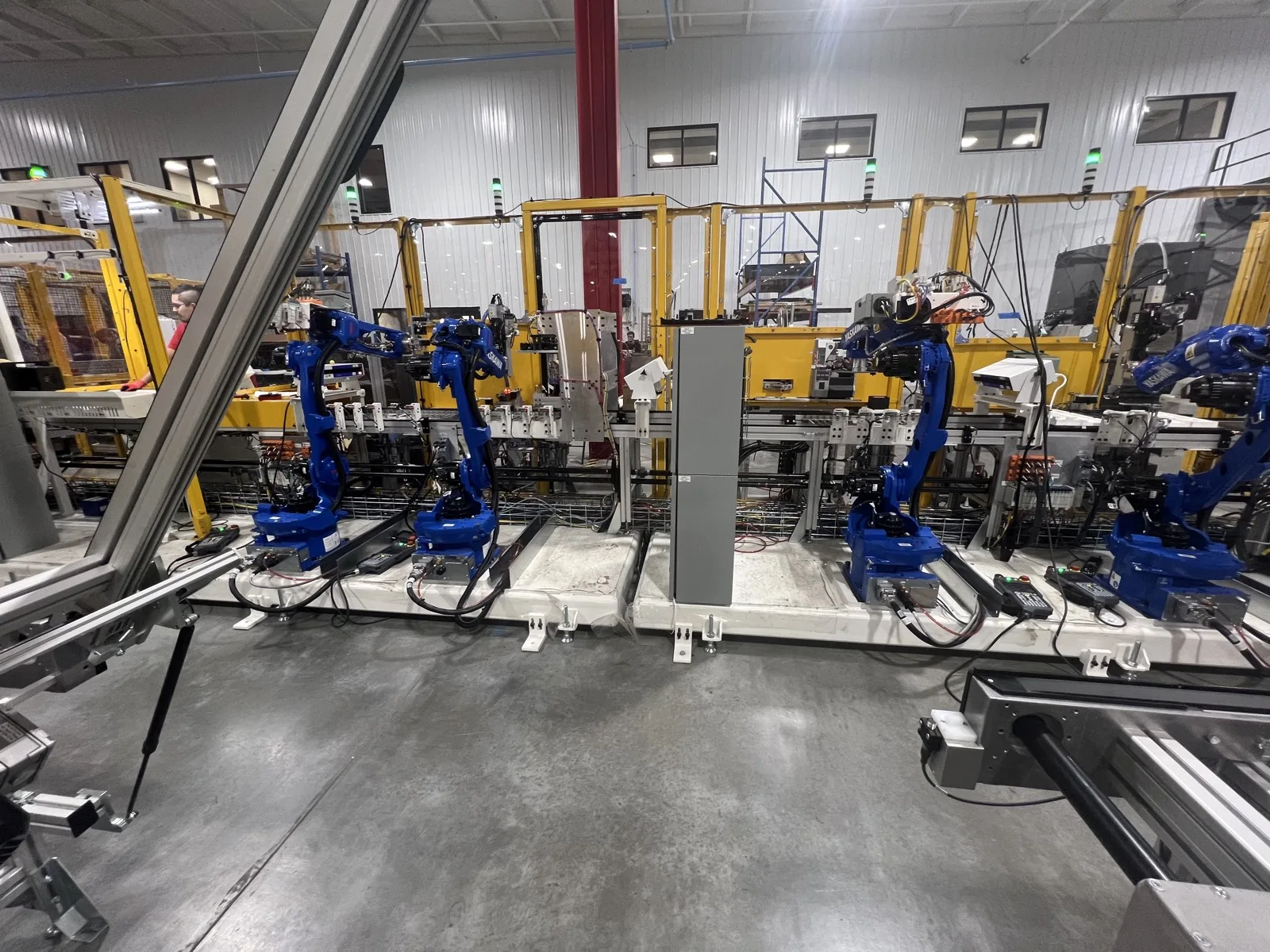
An ANSI Robot Risk Assessment is a systematic evaluation of your industrial robot systems and robotic work cells. It identifies hazards, quantifies risk, and verifies that your safeguards meet current regulatory and consensus standards.
This assessment is required for compliance with ANSI/A3 R15.06-2025, updated in October 2025. Whether you are commissioning a new robotic cell, modifying an existing system, or conducting a periodic review, a documented risk assessment protects your workers and demonstrates regulatory compliance.
Why It Matters
- Required under ANSI/A3 R15.06-2025 for all industrial robot installations
- Identifies hazards before they result in worker injuries
- Documents due diligence for regulatory inspections and audits
- Validates that existing safeguards are adequate and properly functioning
- Provides a defensible record of compliance efforts
- Reduces liability exposure from robotic system incidents
Standards Referenced
Built on Recognized Industry Standards
ANSI/A3 R15.06-2025
Industrial Robot Safety
ANSI B11.0
General Machine Safety Requirements
ANSI B11.19
Safeguarding Methods
RIA TR R15.306
Task-Based Risk Assessment Methodology
ISO 10218-2
Robot System Integration
ISO 12100
Risk Assessment Methodology
What We Evaluate
Comprehensive Work Cell Analysis
Our assessment covers every aspect of your robotic work cell — from initial hazard identification through safeguard verification and operator readiness.
Hazard Identification
Robotic work cell hazard identification across all operational modes and foreseeable misuse scenarios.
Task-Based Risk Assessment
Task-based risk assessment per RIA TR R15.306, evaluating severity, exposure, and avoidance for each identified hazard.
Safeguard Adequacy Review
Review of safeguarding measures including barriers, light curtains, safety mats, area scanners, and emergency stops.
Lockout/Tagout Procedures
Evaluation of lockout/tagout procedures specific to robotic systems, including energy isolation and verification.
Training & Documentation
Operator training program review and documentation audit for completeness, accuracy, and regulatory alignment.
Work Cell Layout Analysis
Work cell layout and reach zone analysis to verify safe distances, restricted spaces, and operator positioning.
What You Receive
Clear, Actionable Deliverables
Every assessment produces documentation your team can act on immediately — not a generic report that collects dust.
Detailed Written Report
Comprehensive findings document covering every evaluated element of your robotic work cell with clear, actionable language.
Risk Ratings by Hazard
Each identified hazard is rated using standardized risk matrices for severity, probability, and exposure frequency.
Compliance Recommendations
Specific, standards-referenced recommendations for bringing each finding into full compliance.
Prioritized Action Plan
A prioritized action plan with recommended timelines, allowing your team to address the highest-risk items first.
Request an Assessment
Tell us about your robotic systems — what you are running, how many cells, and any specific compliance concerns. We'll scope your assessment and provide a timeline.